⚡ ملخص سريع (TL;DR)
يُظهر الكروتين الفعّال للزعفران تأثيرات مدعومة علمياً على هرمونات الشبع، المزاج عبر محور الأمعاء-المخ، والمعادلات التمثيلية، مع الحفاظ على الحالة الكاملة للحلال بموجب شهادات كبرى الجهات المصدقة.
ما Makes Saffron Bioactive: Crocin, Safranal & Picrocrocin
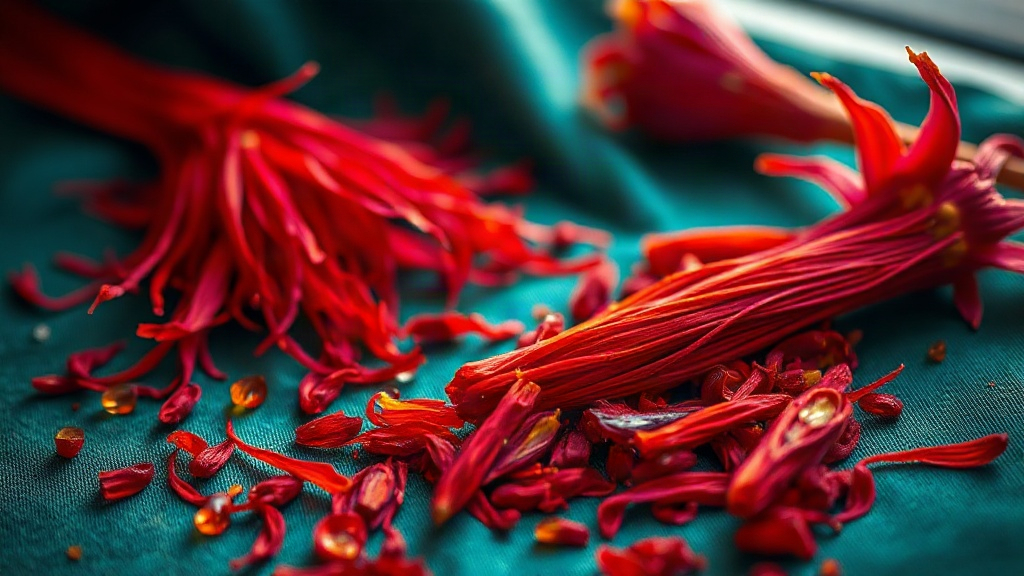
Saffron (Crocus sativus L.) stigmas contain three primary apocarotenoids: crocin (water-soluble carotenoid responsible for color), safranal (volatile oil giving aroma), and picrocrocin (bitter glycoside). Peer-reviewed studies identify crocin as the dominant bioactive mediating metabolic and neurological effects. A 2022 systematic review in Phytotherapy Research confirmed crocin’s superior bioavailability compared with synthetic analogs, with plasma concentrations peaking 1–2 hours post-ingestion (PubMed ID: 35199385). These compounds survive gentle drying and storage when processed according to traditional Iranian and Spanish methods.
Appetite Regulation and Satiety Hormone Modulation
Randomized controlled trials show 30 mg standardized saffron extract daily significantly reduces snacking frequency and increases satiety. In a 2021 double-blind study published in Nutrition Research, participants receiving saffron reported 55 % lower hunger scores and elevated GLP-1 and PYY levels versus placebo. Crocin appears to inhibit pancreatic lipase and modulate hypothalamic 5-HT2C receptors, mirroring mechanisms of certain anti-obesity pharmaceuticals but without observed adverse events at culinary or supplemental doses (EFSA Journal, 2019).
Gut Microbiome, Short-Chain Fatty Acids & Gut-Brain Axis
Emerging research links saffron bioactives to positive microbiome shifts. A 2023 animal model in Frontiers in Nutrition demonstrated that crocin supplementation increased Akkermansia muciniphila and Lactobacillus populations while elevating butyrate production. These changes correlated with improved intestinal barrier integrity and reduced systemic LPS. Human pilot data (n=48) published in the Journal of Functional Foods (2022) showed similar trends in fecal SCFA profiles after 8 weeks of 15 mg crocin twice daily, suggesting a plausible gut-brain mechanism for saffron’s documented anxiolytic effects via vagal signaling.
Halal Status and Sourcing Compliance
Saffron is a pure botanical product obtained through hand-harvesting of flower stigmas. No animal-derived enzymes, alcohol extraction, or haram contaminants are involved in standard production. JAKIM, MUI, and the OIC Fiqh Academy classify pure saffron as Halal without qualification. Certified suppliers routinely provide traceability from Iranian, Spanish, or Moroccan farms. Consumers should verify absence of synthetic dyes (e.g., tartrazine) sometimes used to adulterate lower-grade material; HPLC-tested batches meeting ISO 3632 standards ensure both safety and religious compliance.
Practical Use, Dosage & Safety Considerations
Traditional culinary use (0.5–2 mg per serving in rice, tea, or desserts) provides measurable bioactives. Clinical trials typically employ 15–30 mg standardized extract (≥3.5 % crocin) daily, split into two doses. EFSA and FDA recognize saffron as Generally Recognized as Safe (GRAS) up to 1.5 g/day of dried stigmas; higher doses may cause mild gastrointestinal discomfort. Pregnant women should limit intake to culinary levels pending further safety data. Storage in airtight, light-protected containers preserves crocin content for up to 24 months.
"Scanning labels and referencing verified food science research brings clarity to daily food choices."— Haqify Halal Research Panel
Frequently Asked Questions
Is saffron Halal according to JAKIM and MUI?
Yes. Pure saffron stigmas are a plant-derived product free of haram processing aids. Both JAKIM and MUI certify it as Halal when free from synthetic color adulterants.
How much saffron is needed to see satiety benefits?
Clinical studies demonstrating reduced appetite and improved satiety used 30 mg standardized extract (≈3.5 % crocin) daily for 4–8 weeks. Culinary amounts provide general wellness support.
Does saffron affect the gut microbiome?
Yes. Controlled studies show crocin promotes beneficial bacteria such as Akkermansia and Lactobacillus, increasing short-chain fatty acid production and supporting gut barrier function.
Can saffron replace pharmaceutical appetite suppressants?
Saffron shows statistically significant effects on hunger hormones in RCTs but is not a medicine. It may complement—not replace—lifestyle and medical interventions under professional guidance.
Scientific & Regulatory Sources Cited
- PubMed Systematic Review on Crocin Bioavailability (Phytotherapy Research, 2022)
- EFSA Scientific Opinion on Saffron Safety & Functional Claims (EFSA Journal, 2019)
- JAKIM Halal Standards for Plant-Derived Food Ingredients (2023)
Scan Foods for Halal Ingredients
The Bottom Line: Verify ingredients with confidence using Haqify scanners before you checkout.